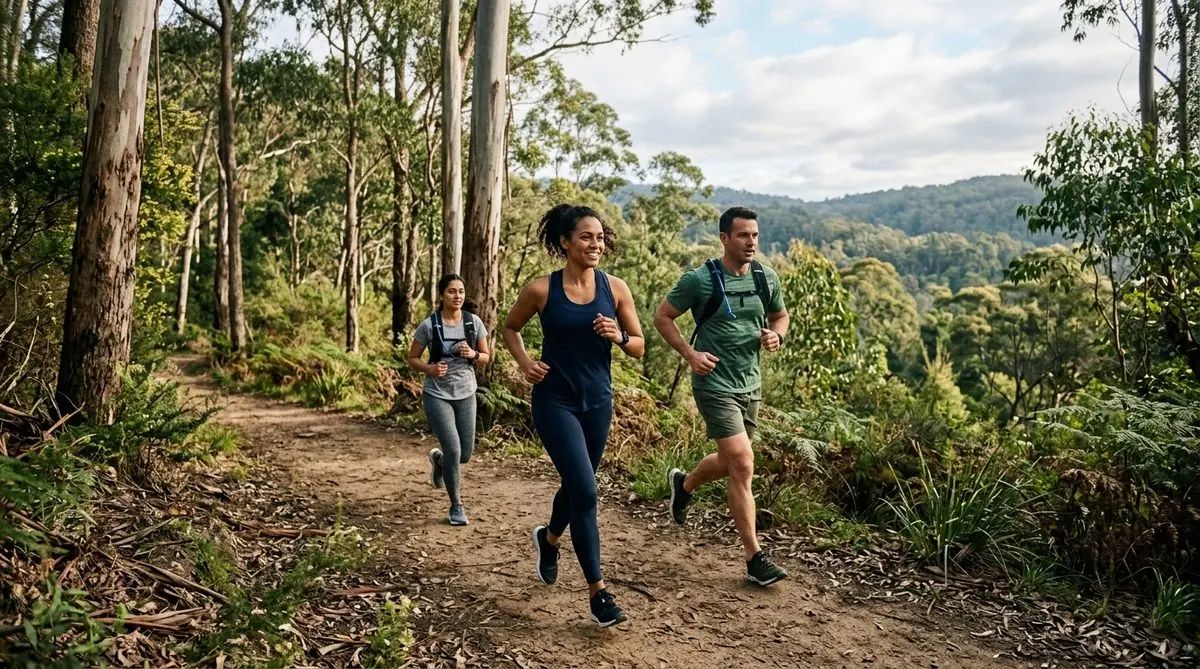
Melbourne's unpredictable climate throws real challenges at anyone who trains regularly. The city delivers "four seasons in one day", sudden temperature shifts, unexpected rain, scorching heat, biting winds. Sometimes all within a single week.
Whether you're working with a personal trainer outdoors in Mooroolbark, running the Yarra trails, or hitting the gym, you need to understand how to adapt to Melbourne's weather patterns. This protects both your safety and your fitness progress.
Understanding Melbourne's Climate Patterns
Melbourne has a temperate oceanic climate with wild swings. Summer regularly tops 30°C, while winter mornings can drop below 5°C. Systems moving across Bass Strait create rapid changes that catch even experienced trainers off guard.
This matters more than comfort. It directly changes how your body responds during exercise. Your thermoregulation system works differently at 12°C than at 38°C. Training safely means respecting these differences.
Training Through Melbourne's Hot Summer Days
Melbourne summers bring long stretches above 30°C, sometimes hitting the high 30s or low 40s. These conditions need real changes to how you train.
Is It Safe to Exercise in 30 Degree Heat?
Yes, exercising in 30°C heat is safe for most people with proper precautions. Temperature alone doesn't tell the full story. Humidity matters just as much. Melbourne's relatively low humidity compared to Brisbane or Darwin means 30°C often feels more bearable.
But 30°C still stresses your body's cooling system. Your heart rate climbs faster, you sweat more, and the same workout feels harder. Safe training at this temperature requires:
- Start hydrating well before your session, not just during it
- Train early morning (before 9am) or evening (after 7pm) when it's cooler
- Cut intensity by 10-20% compared to cooler weather
- Take more frequent breaks in shade
- Wear light colours and breathable fabrics that wick sweat
- Watch for dizziness, nausea, or when you stop sweating
When Heat Becomes Dangerous
The question "is it illegal to work in 40 degree heat" reflects real safety worries. Victoria has no blanket ban on outdoor work at 40°C, but Safe Work Australia guidelines require employers to assess heat stress risks when temperatures climb high enough.
For exercise, 40°C crosses a line where risks outweigh benefits for most people. Your body can't shed heat effectively, even at rest. Add the metabolic heat from exercise and you face genuine danger of heat exhaustion or heat stroke.
Melbourne personal trainers typically modify or postpone outdoor sessions when forecasts show 36-38°C or higher. This isn't weakness. It's smart risk management. Indoor climate-controlled training becomes the sensible choice on extreme heat days.
Cold Weather Training Considerations
Melbourne winters are mild by global standards, but they still demand adjustments. Morning temps between 5-10°C, plus wind chill, affect muscle function and injury risk.
Cold muscles contract less efficiently and with less flexibility. This means longer warm-ups matter. What takes five minutes at 20°C needs 10-15 minutes at 5°C to get tissues ready.
Layering is essential. Start with a moisture-wicking base layer, add an insulating middle layer, and top with a wind-resistant shell. As you warm up, you can peel layers off. Much easier than adding them mid-session.
Cold air also affects breathing, especially for people with exercise-induced asthma. The dry, cold air can trigger bronchospasm. If you get tightness or wheezing in cold conditions, talk to your GP. A pre-exercise puffer might help.
Training When You're Under the Weather
Should you workout when sick? This question matters most during Melbourne's winter cold and flu season.
The "neck check" helps here: symptoms above the neck (runny nose, mild sore throat, sneezing) might allow light exercise if you feel up to it. Symptoms below the neck (chest congestion, body aches, fever) mean your body needs rest, not extra stress.
Even with mild symptoms, ease off significantly. Your immune system is already working hard. Adding training stress can stretch out your illness. Do a 30-minute walk instead of intervals. Try gentle stretching instead of strength work.
If you have a fever, skip training completely. Exercise raises core temperature. Combined with fever, that's genuine risk. Your trainer will understand. Real professionals put long-term health before one session.
Adapting to Rapid Weather Changes
Melbourne's signature trait is rapid shifts. Cool, overcast mornings turn scorching by midday, or vice versa. This variability demands flexibility in training.
For outdoor work in areas like Mooroolbark, check the Bureau of Meteorology forecast before sessions. But forecasts aren't perfect. Your trainer should arrive ready with backup plans.
This might mean:
- Carrying extra water when heat is possible
- Identifying indoor alternatives in advance
- Scheduling sessions flexibly enough to shift timing by an hour if conditions worsen
- Keeping spare layers in the car for unexpected cold snaps
The best trainers anticipate weather rather than just react to it. They adjust programming before problems start.
Rain Doesn't Always Mean Cancellation
Melbourne's frequent light rain doesn't have to stop training. Light rain in moderate temps can create comfortable conditions, natural cooling without overheating.
Heavy rain creates real problems. Visibility drops, surfaces get slippery, and equipment (especially resistance bands or devices) may fail. Safety means moving indoors when rain gets heavy.
Lightning is non-negotiable. Even distant lightning requires immediate action. If you hear thunder, move to a solid building or enclosed vehicle. Not a park shelter or isolated tree.
Acclimatisation and Heat Adaptation
Your body adapts to heat stress through repeated exposure, called heat acclimatisation. Over 7-14 days of training in hot conditions, you get:
- Earlier sweating
- More sweat volume
- Lower electrolyte loss in sweat
- Lower heart rate at given intensities
- Better blood flow to skin for cooling
This adaptation is valuable but needs gradual build-up. When Melbourne's first heat spell hits after months of cool weather, don't expect to maintain usual intensity right away. Give your body 10-14 days to adjust, slowly increasing duration and intensity of hot sessions.
Heat acclimatisation fades fast, within 2-3 weeks of cooler conditions. Melbourne's variable spring and autumn means you cycle through partial acclimatisation several times yearly.
Hydration Strategies for Variable Conditions
Good hydration underpins safe training in all conditions, but strategies must shift with temperature and humidity. On a 35°C summer day, you might lose 1-2 litres per hour during hard exercise. On a 10°C winter morning, losses might be one-quarter of that.
The old "eight glasses daily" advice is too simple. Better: watch your urine colour (pale straw means good hydration) and adjust based on conditions and intensity.
For sessions over 60 minutes in hot weather, electrolyte replacement matters. Sweat contains sodium, potassium, and other minerals plain water doesn't have. Sports drinks, electrolyte tablets, or timed food can maintain balance.
Don't wait until you're thirsty to drink. Thirst lags behind real hydration needs. In hot weather especially, set a drinking schedule: sips every 10-15 minutes rather than waiting until parched.
Clothing and Equipment Choices
What you wear shapes your body's ability to manage temperature. In Melbourne's variable conditions, versatility beats specialised gear for single scenarios.
Hot weather means light colours that reflect heat. Fabrics should wick moisture away from skin, not absorb it. Technical synthetics or merino wool beat cotton. Loose fits allow air flow while protecting exposed skin from sun.
Cold weather needs the layering system from earlier, but fabric choice still matters. Your base layer should move moisture away from skin, no clammy feeling when you stop. Middle layers trap air for warmth. Fleece or quality synthetic fills work well. Outer layers block wind, which hugely affects how cold it feels.
Don't forget extremities. Lots of heat escapes through your head. Hands and feet suffer first in cold. A lightweight beanie and gloves make early winter sessions far more bearable and come off easily once you warm up.
Recognising Heat-Related Illness
Know the warning signs of heat exhaustion and heat stroke. They can save a life. Heat exhaustion brings heavy sweating, weakness, dizziness, nausea, headache, and muscle cramps. Stop exercise immediately, move to shade or AC, drink cool fluids, and cool your skin with wet towels.
Heat stroke is a medical emergency. Warning signs: confusion, loss of consciousness, hot dry skin (sweating may stop), fast pulse, and core temp above 40°C. Call 000 right away while starting cooling.
These conditions develop faster than many realise, especially mixing heat, humidity, and hard exercise. A healthy person can go from fine to heat exhaustion in 20-30 minutes under bad conditions.
Working With Trainers Who Understand Melbourne Weather
A knowledgeable trainer factors weather into every session plan. This doesn't mean cancelling at the first cloud. It means having backup plans, knowing when conditions need changes, and prioritising your safety over completing a prescribed workout.
Trainers working regularly in areas like Mooroolbark know local microclimates well. They know which parks offer better shade for summer, which routes give wind protection in winter, and where to access indoor facilities if weather turns severe mid-session.
Tell your trainer about your comfort and weather concerns. You know your body best. Real professionals welcome this feedback and adjust rather than pushing through inappropriately.
Seasonal Programming Adjustments
Smart programs evolve with seasons. Summer might focus on maintaining fitness with slightly reduced volume. The physiological stress of heat means you can't push as hard as cooler months. That's not failure, it's periodisation that respects environment.
Autumn and spring, with moderate temps, often let you peak. Winter, despite the cold, allows sustained higher-intensity work once properly warmed up. Heat dissipation isn't a limit factor.
This seasonal rhythm aligns with many people's lifestyle and goals. Build strength through cooler months, focus on maintenance through summer heat. It creates a sustainable long-term approach.
Making Weather Work for Your Training
Rather than see Melbourne's weather shifts as an obstacle, treat them as an asset. Training across diverse conditions builds adaptability and resilience. Someone who only exercises in perfect conditions isn't preparing for real-world demands.
That said, adaptability isn't recklessness. Smart training respects boundaries, modifies when needed, and sometimes reschedules. The goal isn't perfect attendance. It's consistent, safe progress toward your fitness objectives.
Melbourne's climate challenges you to think and stay flexible about training. With proper understanding of how weather affects exercise physiology, smart modifications to intensity and timing, and attention to warning signs, you can train effectively and safely year-round. Whatever Melbourne's skies decide to deliver.